
Unearthing the Viking Birth of Reykjavík, Iceland, A Researcher’s Journey Beneath Iceland’s Capital
Article by Dr. Robert “Battle Ax” Ornelas | Staff Journalist – IPA Magazine Travel
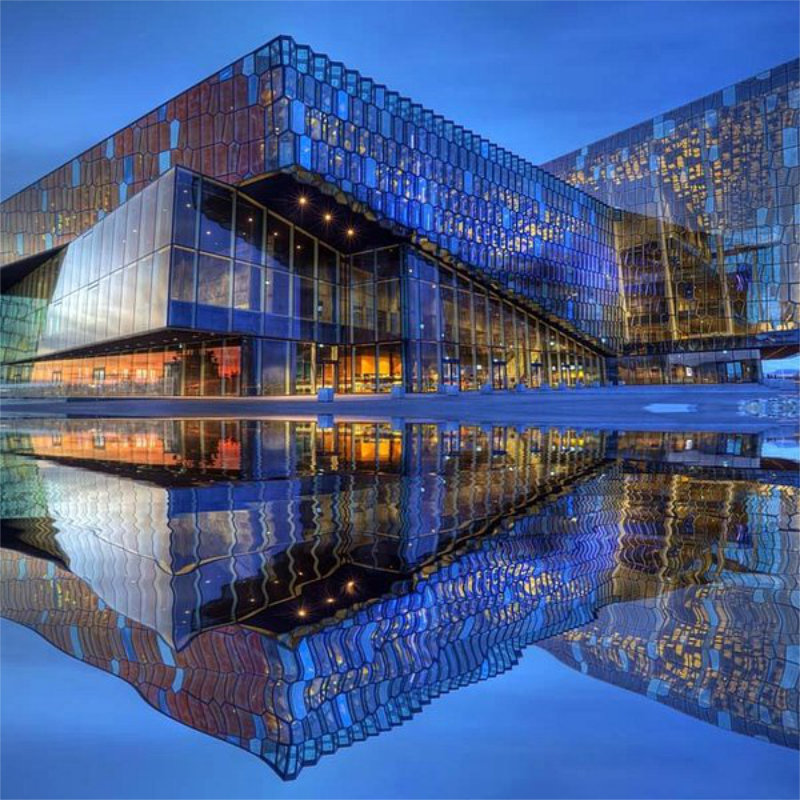
Reykjavík stands today as a modern Nordic capital—a vibrant blend of creativity, culture, and natural wonder. Yet beneath its colorful streets lies a story far older and deeper. My visit began with a grateful heart: thanks to an extended layover at Keflavík International Airport, I was blessed with unexpected time to unwind, breathe in the Icelandic air, and explore this legendary city before continuing on to Manchester, England. There, I would serve as a speaker, hip-hop performer, critique, and mentor with The Objective group from Nashville — contributing to Objective 25 at Bet365 Stadium in Stoke-on-Trent, home of Stoke City Football Club
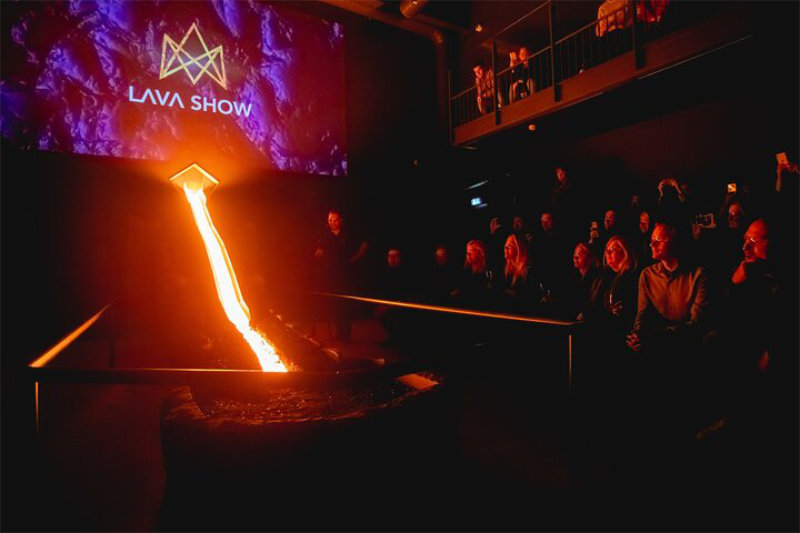
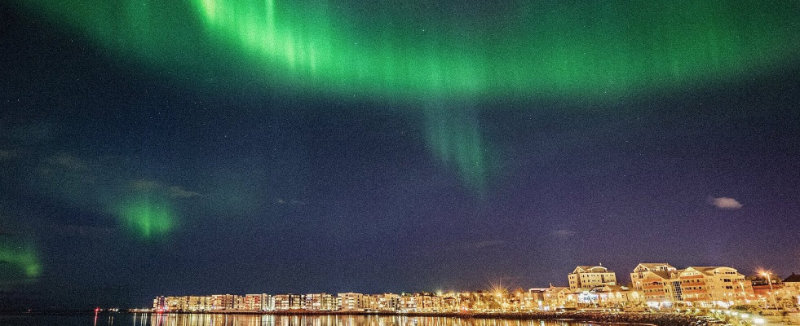
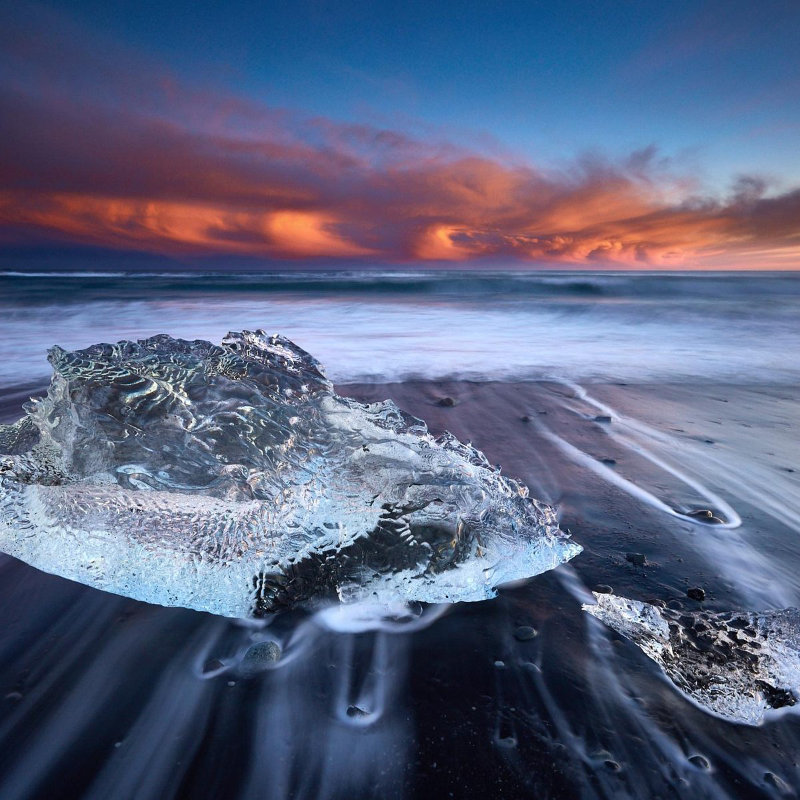

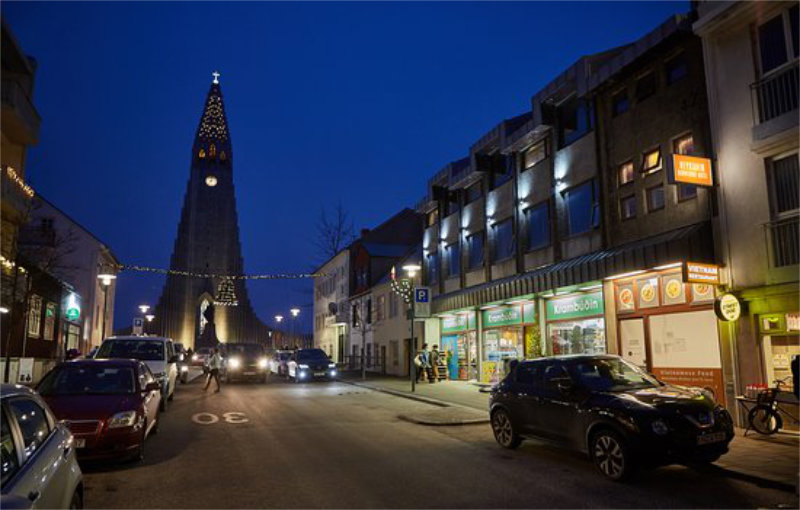
Even during this stopover, I remained on assignment for IPA Magazine Travel, encouraged and guided by my dear friend Mark Seidenberg. He asked me to look for something specific — something buried in Iceland’s history — and I still wonder whether I found exactly what he hoped I would discover.
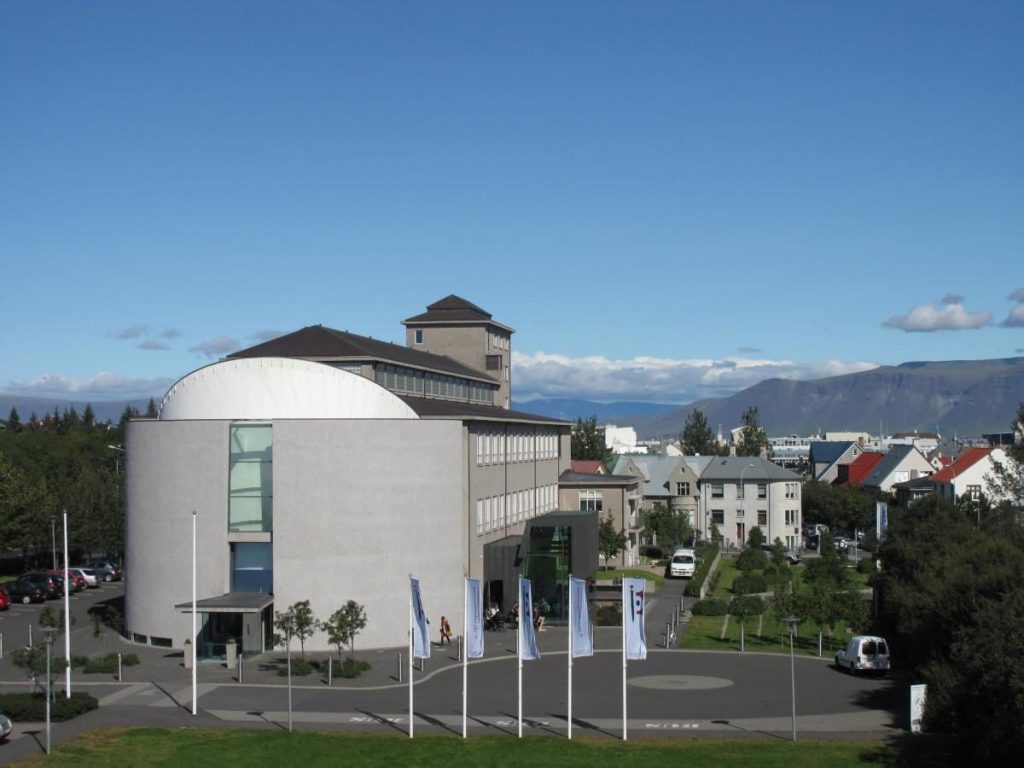
Wanting to make the most of each moment, I first explored the Iceland National Museum before making my way to the Reykjavík City Museum — determined to understand the deeper narrative beneath the modern capital.
Beneath Aðalstræti, Reykjavík’s oldest street, archaeologists uncovered the remains of a Viking longhouse dating back to around 871 AD. A thin layer of volcanic ash, perfectly preserved beneath the ruins, confirms the timing of Iceland’s earliest permanent settlement. Protected under glass and illuminated through advanced technology, the longhouse offers an intimate look into the lives of the first inhabitants of Reykjavík.
Inside that home, the earliest Icelanders built more than shelter. Grindstones, whale bone hooks, iron fishing tools, and loom weights reveal a society rooted in craftsmanship and survival. A carefully laid hearth warmed both family and livestock through winter darkness. These Viking settlers did not arrive to conquer—they came to build a future.
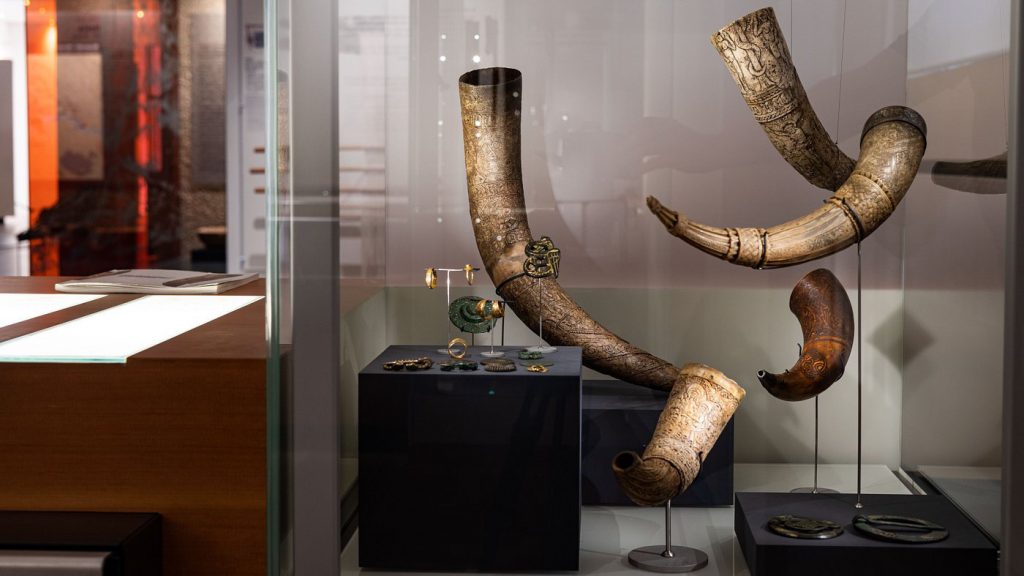

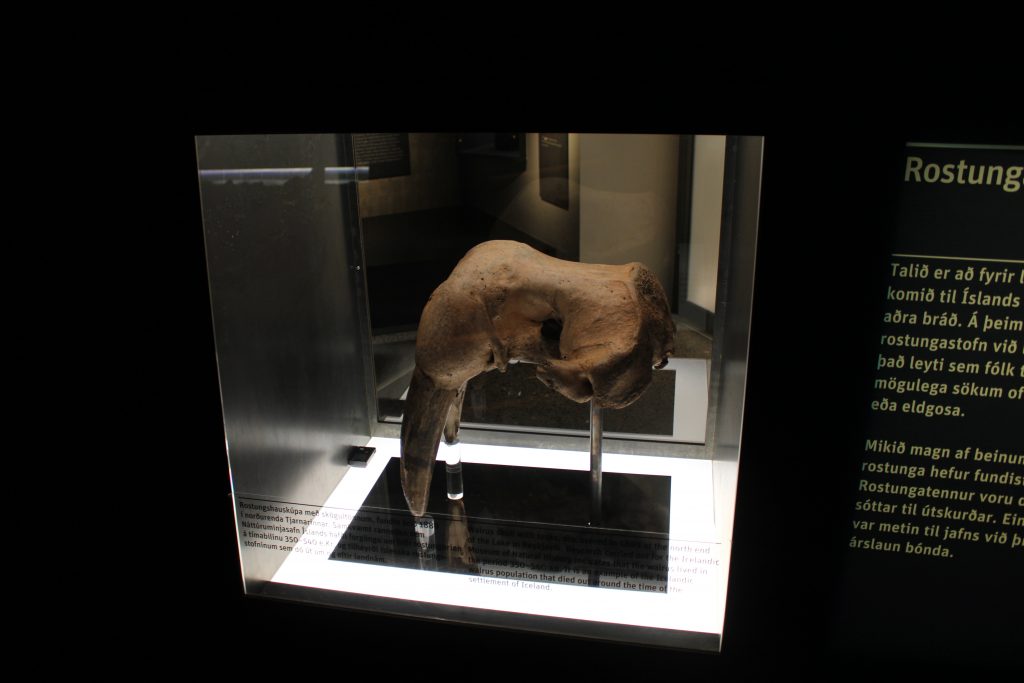
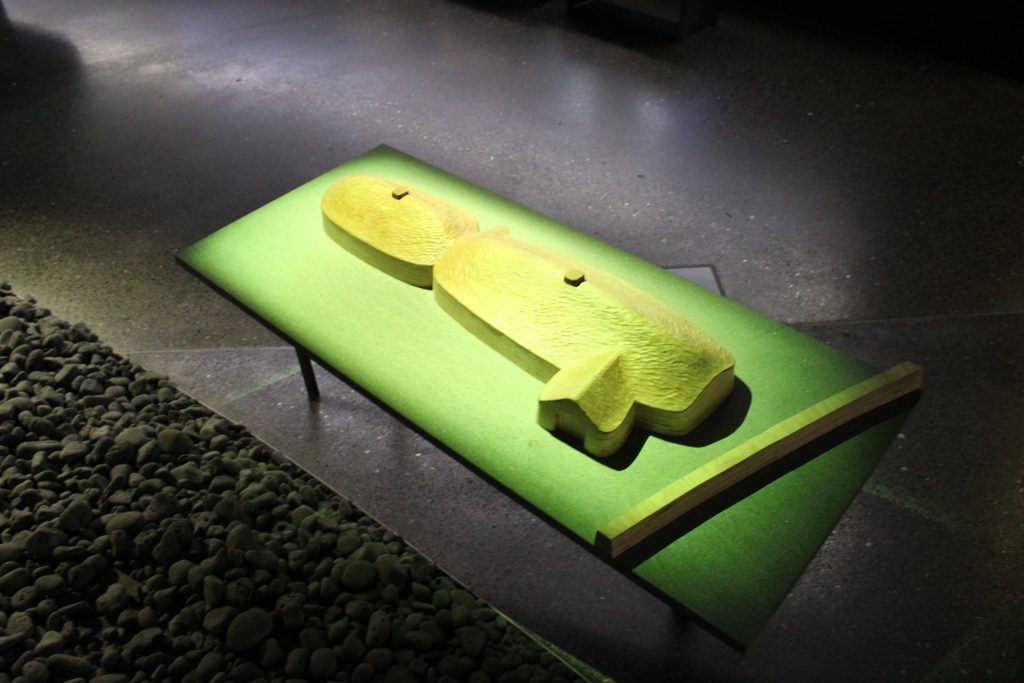
The next chapter unfolds at the Reykjavík City Museum, where history moves forward into the Middle Ages and modern era. Just offshore lies Viðey Island, once home to a wealthy monastery founded in 1226. It shaped the region’s spiritual and political life before falling under royal control. In 1809, Danish adventurer Jörgen Jörgensen attempted to declare Iceland independent. His revolution collapsed within weeks — but not before a legendary feast featuring salmon, sorrel sauce, waffles, and even live sheep as parting gifts. Iceland’s history is rich in courage — and celebration.
Small islands across the harbor — Engey, Akurey, and Lundey — once supplied seabirds, grazing pastures, and crucial resources. Later, they hosted shipbuilders who strengthened Iceland’s economic independence through fishing innovation.
Night watchmen patrolled Reykjavík’s streets to prevent fires that could wipe out entire neighborhoods of wooden homes — and their vigilance proved necessary. On April 24, 1915, Hotel Reykjavík caught fire, and strong winds carried flames through the town center. Whole blocks were lost within hours. That tragedy reshaped Reykjavík’s future: a new focus on safer materials, improved planning, and healthier homes.
By the 1920s, Reykjavík had become the heart of Iceland’s politics, economy, and culture. A groundbreaking Town Plan in 1927 proposed modern roads and neighborhoods designed to improve living conditions. Medical leaders, especially after the devastating 1918 influenza epidemic, emphasized fresh air and sunlight — designing cities became a matter of health as much as architecture.
Daily life centered around Aðalstræti. Shops like Silli & Valdi grocery provided local goods with hometown pride. Jósefina Hobbs’ Beauty Parlour introduced new fashion and empowerment to Icelandic women. The spirit of Reykjavík was changing — looking outward while holding tight to community.
Today, Reykjavík bursts with life — powerful winds carry laughter along the harbor, street art splashes color against the volcanic gray, and visitors from around the globe walk through a city that still honors its roots.
Beneath those very footsteps lies the longhouse that started it all — preserved just as the Vikings left it. This hidden landmark connects the modern traveler to the brave families who risked everything to make Iceland their home.
Reykjavík is not simply a city built on lava and ocean. It is a testament to endurance. A reminder that a community can rise from faith, resourcefulness, and unity — and keep rising for more than 1,100 years.
As I stepped back into the daylight, I knew I wasn’t just observing history.
I was standing on the ground where Iceland first believed in its future.
About Dr. Robert “Battle Ax” Ornelas
Dr. Robert “Battle Ax” Ornelas is an artist, researcher, hip-hop performer, and community leader. He is a staff journalist for IPA Magazine Travel and the frontman of The S.O.G. Crew (Sons of God International Hip Hop Movement) under Thump Records / Universal Music Group, bridging faith and culture through bilingual hip-hop and urban worship.
He also serves as an Ambassador and administrator for the Texas Band of Yaqui Indians, assigned to the United Nations to promote Indigenous rights, cultural diplomacy, and environmental awareness.
A lifelong advocate for youth, recovery, and unity, Dr. Ornelas continues to use his research, music, and message to bring hope and healing to communities around the world.
More pictures: https://drive.google.com/drive/folders/1DNKoCPbpPP-yG0L_YNxjMH1hGlBwZ-wN?usp=sharing