The Chance of Being Bitten by a Shark in Hawaii is Extremely Low
Shark attacks make headlines for a reason. They’re scary, dramatic, and hard not to think about once you’re floating in clear blue water with your feet dangling below you.
The good news? Your chances of being bitten by a shark in Hawaiʻi are still very, very low.
Hawaiʻi sees millions of residents and visitors in the ocean every year. People swim, surf, snorkel, paddle, dive, foil, fish, and float around every single day. Compared with the enormous amount of time people spend in the water, shark bites are rare.
That doesn’t mean they never happen. They do. And while older references sometimes point to 2004 as Maui’s most recent fatal shark attack, that information is no longer accurate. Hawaiʻi has experienced fatal shark incidents more recently.
The bigger picture, however, hasn’t changed: shark bites in Hawaiʻi are uncommon, fatal bites are rarer, and most ocean risks you’re likely to encounter on vacation have nothing to do with sharks.
Currents, shorebreak, rocks, reef cuts, sunburn, dehydration, and overconfidence are far more likely to ruin your beach day.
Sharks Live Here
Hawaiʻi’s ocean isn’t a swimming pool. It’s wild, alive, and full of animals that belong there.
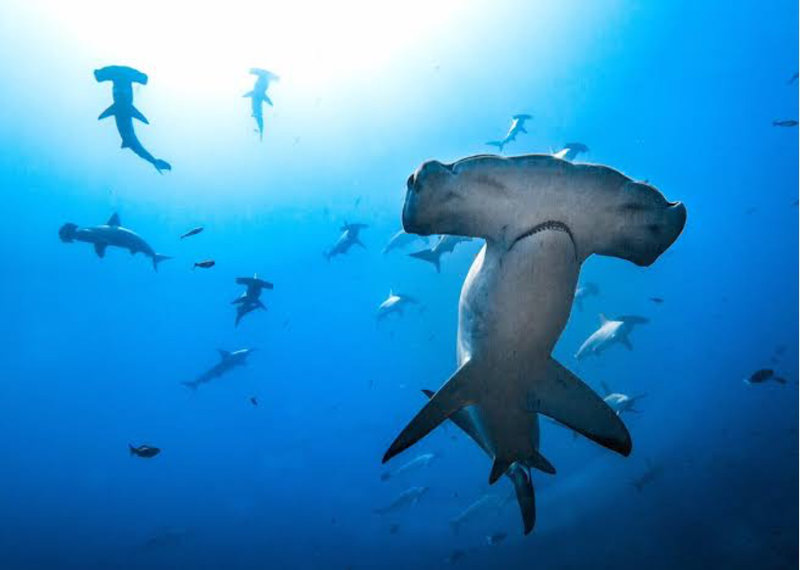
There are around 40 species of sharks in Hawaiian waters, though only a handful are commonly found near shore. The sharks people are most likely to hear about are tiger sharks, reef sharks, hammerheads, and sandbar sharks.
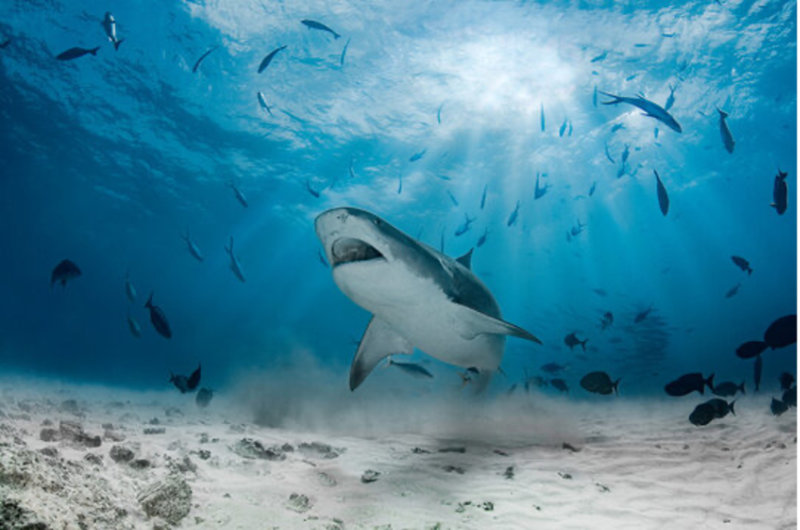
Tiger sharks get most of the attention in Hawaiʻi, partly because of their size and feeding habits. They move between islands, eat a wide range of prey, and are more comfortable close to shore than most people would like to imagine.
Still, sharks aren’t cruising around looking for humans. Most encounters are brief. Most people never see the sharks that are probably well aware of them.
When Shark Risk Goes Up
There’s no way to make the ocean perfectly safe, but there are simple ways to lower your chances of a bad encounter.
Be extra cautious at dawn, dusk, and night, and avoid swimming in murky water, near stream mouths after heavy rain, harbor entrances, channels, and steep drop-offs. It’s also best to stay out of the water near fishing boats or spearfishing activity, if fish or turtles are behaving strangely, if you’re bleeding, or if there’s a dead animal in the water.
Always listen to lifeguards, follow posted shark warnings, and avoid swimming too far from shore or beyond the help of others.
Historically, October through December has seen more shark-bite activity in Hawaiʻi, so it’s especially important to use extra caution during those months.
What About Snorkelers and Surfers?
Surfers, paddlers, and bodyboarders spend a lot of time at the surface, often farther from shore, with their arms and legs moving through the water. Snorkelers can run into trouble too, especially if they drift away from shore or enter murky water.
That doesn’t mean you should skip surfing or snorkeling. It means you should choose your spot carefully, check the conditions, go with someone, and listen to lifeguards.
If the water looks brown, choppy, or stirred up, save the swim for another time.
Simple Shark Safety Tips
A few smart habits can go a long way:
- Swim, surf, or snorkel with another person.
- Stay close enough to shore that you can get help if needed.
- Choose lifeguarded beaches when possible.
- Avoid swimming at dawn, dusk, or at night.
- Stay out of the water after heavy rain, especially near stream runoff.
- Leave shiny jewelry at home.
- Avoid excessive splashing.
- Keep pets out of the ocean.
- Don’t swim near fishing or spearfishing activity.
- If you see a shark, leave the water calmly.
That last one matters. Don’t thrash, panic, or try to get closer for a video. Stay calm and make your way out of the water.
If You See a Shark
If you spot a shark, stay as calm as you can and leave the water without making a scene. Once you’re safely on shore, let others nearby know what you saw.
If you’re at a lifeguarded beach, tell the lifeguards right away. They can decide whether the beach needs to be cleared, monitored, or otherwise managed.
And if warning signs are posted, take them seriously. The ocean will still be there tomorrow.
Should You Be Worried?
A little respect is good. Fear doesn’t help much.
The chance of being bitten by a shark in Hawaiʻi is extremely small, but the risk isn’t zero. That’s true of almost everything in the ocean. The best approach is to stay aware, avoid conditions that seem questionable, and remember that you’re a guest in a place that belongs to marine life first.