
What is ‘Hula Dance’?
Article by David Webster, Senior Editor – IPA Magazine Travel
Aloha Friends,
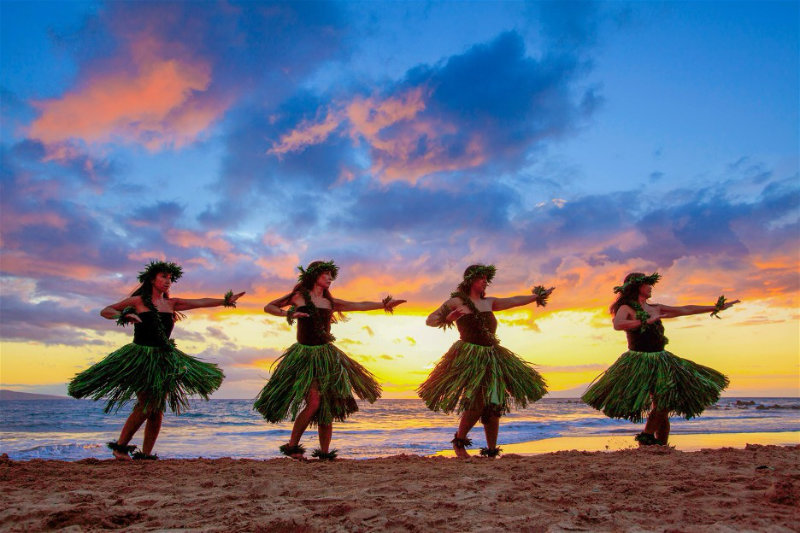
Living on the beautiful island of Maui, Hawaii, we have the privilege of experiencing the timeless art of hula almost everywhere we go. Whether it’s at cultural festivals, shopping centers, luaus, community events, or even during special church services, hula is woven into the fabric of everyday life here in the Hawaiian Islands.
To many visitors, hula may appear to be simply a beautiful dance accompanied by graceful movements and music. In reality, it is much more than entertainment. Hula is a sacred cultural tradition that has been passed down through generations, preserving the history, legends, values, and spirit of the Hawaiian people. Every movement, chant, and gesture tells a story.
I thought you might enjoy learning a little about the origins of hula and why it remains such an important part of Hawaiian culture today.
What Is Hula Dance? History, Meaning, Movements, and Modern Practice
Hula is the traditional dance of Hawaiʻi, combining graceful movements, hand gestures, chant, and music to tell stories, preserve history, and honor the land, ancestors, and Hawaiian culture.
More than entertainment, hula is a living cultural tradition that has been passed down for generations. Today it is performed worldwide, but its roots remain deeply connected to Native Hawaiian identity, language, and ceremony.
The Origins of Hula
Hula developed in ancient Hawaiʻi long before Western contact. It was performed in both sacred ceremonies and community gatherings, accompanied by oli (chant) and traditional instruments such as the pahu drum, ipu gourd, and ʻuliʻuli rattles.
Because Hawaiian history was traditionally passed down orally, hula became a living record of genealogy, legends, historical events, and everyday life.
Hula has long served three important purposes:
- Preserving Hawaiian history and genealogy
- Honoring gods, chiefs, and nature
- Teaching language, values, and cultural traditions
How Hula Tells Stories
Every movement in hula has meaning. Hand gestures may represent the ocean, rain, flowers, birds, or emotions, while posture, footwork, and facial expressions help bring each story to life.
Unlike many dance styles that emphasize athletic ability, hula focuses on storytelling and expressing the meaning behind every movement.
The Two Main Styles of Hula
Hula Kahiko
Hula kahiko is the ancient form of hula. It is performed with traditional chants, percussion, and ceremonial movements while preserving older Hawaiian traditions and poetic language.
Hula ʻAuana
Hula ʻauana developed after Western contact and is accompanied by melodic music, including the ukulele and guitar. Although more modern in style, it continues to celebrate Hawaiian stories, places, and culture.
Both forms require dedication, discipline, and respect for Hawaiian traditions.
The Importance of Chant and Music
Chant forms the foundation of traditional hula, providing the rhythm and story that dancers interpret through movement.
Modern hula often incorporates music while maintaining the same purpose—communicating the meaning of the song. Hawaiian poetry frequently includes references to nature, history, and place names, helping preserve the Hawaiian language for future generations.
Learning Hula
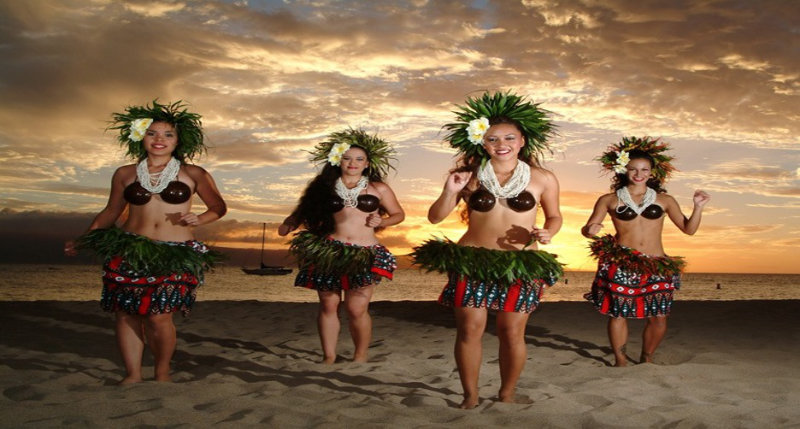
Hula is traditionally taught in a hālau, or hula school, under the guidance of a kumu hula.
Students learn much more than dance steps. Training often includes:
- Hawaiian language and pronunciation
- Chant interpretation and memorization
- Movement, posture, and rhythm
- Cultural protocol and etiquette
- Lei making, costumes, and ceremonial preparation
Respect, discipline, and humility are considered just as important as technical skill.
Why Hula Matters Today
After periods of decline during the missionary era, hula experienced a cultural revival in the twentieth century and remains one of Hawaiʻi’s strongest cultural traditions.
For many Native Hawaiians, hula is a way to reconnect with their language, ancestors, and homeland while preserving traditions for future generations.
Cultural Appreciation vs. Appropriation
Because hula is often featured in tourism and entertainment, it’s important to recognize the difference between appreciation and appropriation.
Respectful appreciation means learning the history, meaning, and traditions of hula while supporting Native Hawaiian teachers and cultural organizations. Treating hula simply as a costume or performance overlooks its deep cultural significance.
Hula Today
Hula is performed in schools, churches, community celebrations, competitions, and cultural festivals throughout Hawaiʻi and around the world.
One of the most prestigious events is the annual Merrie Monarch Festival in Hilo, where the finest hula hālau showcase both kahiko and ʻauana traditions.
Whether performed on stage or in a family gathering, hula continues to celebrate Hawaiian culture through movement, music, and storytelling.
Key Takeaways
- Hula is a traditional Hawaiian storytelling dance rooted in culture and history.
- Every movement, chant, and gesture has symbolic meaning.
- The two primary styles are hula kahiko and hula ʻauana.
- Hula is traditionally taught in a hālau by a kumu hula.
- Learning hula with respect for Hawaiian culture is essential to understanding its true meaning.